
Understanding Bitcoin’s Historical Price Trends
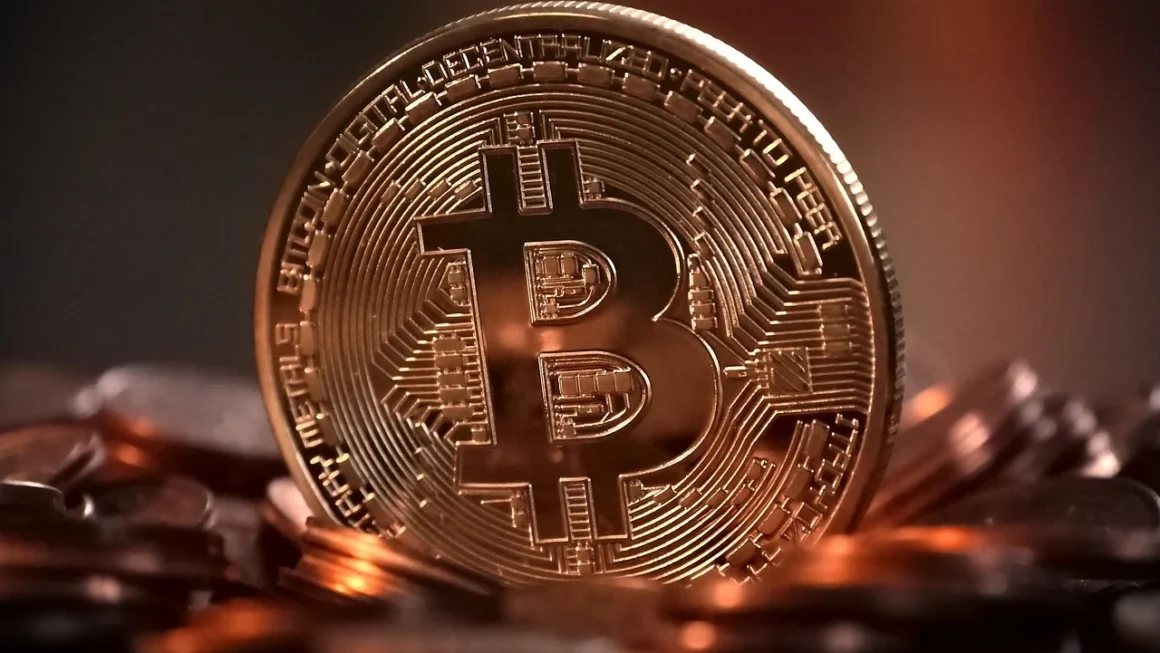
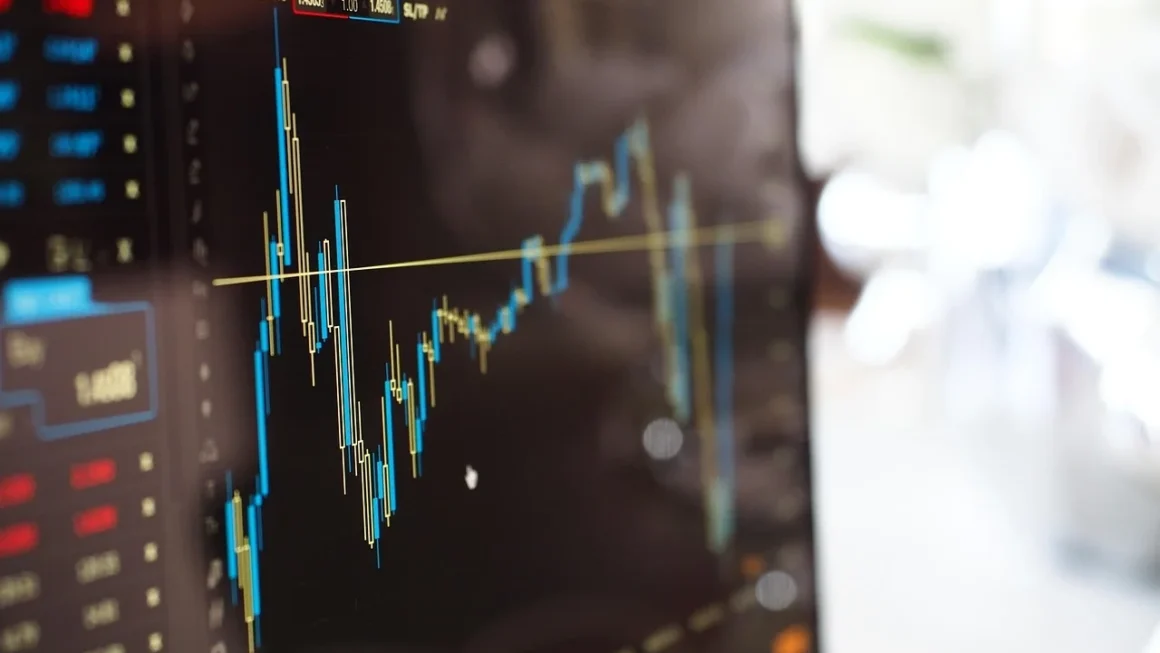
Bitcoin (BTC), launched in 2009, serves as the bellwether for the entire cryptocurrency market. Historically, BTC prices have exhibited significant volatility, often marked by sharp rises followed by steep declines. The previous peak in late 2017 saw Bitcoin reach nearly $20,000, only to drop to around $3,000 in early 2019. In 2021, Bitcoin surged to an all-time high of approximately $69,000 before another retracement occurred. Analyzing these historical patterns provides vital insights into potential future price dynamics.
The Role of Market Sentiment
Investor sentiment is a driving force in Bitcoin’s price movements. Throughout 2021, positive sentiment fueled the rally, with institutional investments and the mainstream acceptance of cryptocurrencies. Social media platforms, news coverage, and influence from prominent figures heavily sway sentiment, impacting buying and selling decisions. Monitoring platforms like Twitter and Reddit can offer clues to market sentiment, indicating whether bullish or bearish sentiment may dominate as 2026 approaches.
Technological Advancements and Network Upgrades
Bitcoin’s infrastructure continuously evolves, with enhancements designed to improve scalability, security, and transaction efficiency. Key upgrades, such as the Lightning Network, aim to facilitate faster transactions and lower fees, making BTC more appealing for everyday use. The potential integration of smart contracts could also expand Bitcoin’s usability in decentralized finance (DeFi), attracting more users and investment. Monitoring these technological advancements is essential when predicting Bitcoin’s future price.
Regulatory Landscape
Regulatory developments remain a critical factor influencing Bitcoin’s price trajectory. Countries worldwide have adopted various stances towards cryptocurrency, and as regulations become clearer, the Bitcoin market may react either positively or negatively. For instance, favorable regulations could enhance institutional adoption, while stringent restrictions might deter investments. Keeping an eye on regulatory news from major markets like the U.S., Europe, and Asia is crucial for forecasting price movements through 2026.
Institutional Investment and Adoption
Increasing institutional interest in Bitcoin plays a crucial role in its price potential. Prominent companies like MicroStrategy, Tesla, and Square have allocated portions of their treasuries to Bitcoin, signaling confidence in its long-term value. Financial products such as Bitcoin exchange-traded funds (ETFs) continue to emerge, allowing traditional investors more comfortable access to the market. If these trends persist and institutional adoption grows through 2026, BTC could witness substantial price appreciation.
Macro Economic Factors
Global economic conditions, including inflation rates, monetary policies, and geopolitical tensions, significantly influence Bitcoin’s price. Bitcoin is often viewed as a hedge against inflation; when fiat currencies devalue, investors may turn to BTC as a store of value. In periods of economic uncertainty, Bitcoin can serve as a safe haven, potentially driving demand. The analysis of macroeconomic indicators will be crucial in determining the overall crypto market landscape in 2026.
Market Supply Dynamics
Bitcoin’s supply mechanics, particularly its halving events, have historically contributed to price increases. Approximately every four years, the reward for mining Bitcoin is halved, reducing the rate at which new coins enter circulation. The next halving is expected to occur in 2024, which may create scarcity, driving demand and pushing prices higher. Understanding these supply dynamics will be essential to evaluate Bitcoin’s price trajectory as we approach 2026.
Competitors and Market Saturation
The rise of alternative cryptocurrencies (altcoins) may impact Bitcoin’s market share and price. With projects like Ethereum, Solana, and Cardano gaining traction, there is increasing competition for investor interest. While Bitcoin remains the dominant player, the emergence of promising technologies may divert investment away from BTC. Tracking the performance of altcoins relative to Bitcoin will provide insights into overall investor sentiment and market dynamics moving into 2026.
Long-Term Predictions and Models
Several models have been proposed to predict Bitcoin’s price movements, ranging from stock-to-flow models, which forecast prices based on scarcity, to adoption-driven models that account for the increasing number of Bitcoin users. While these models provide potential price trajectories, they are inherently speculative and subject to various external factors. Critically evaluating these models alongside market realities is key to forming a well-rounded perspective on Bitcoin’s potential price path.
Psychological Barriers and Price Targets
Psychological barriers often influence Bitcoin’s price movements. Key price levels, such as $50,000 or $100,000, act as significant psychological milestones. When Bitcoin approaches these levels, traders and investors may place increased buy or sell orders, leading to pronounced market volatility. Identifying these psychological thresholds can help anticipate Bitcoin’s price movements as it navigates toward new all-time highs in 2026.
Investor Strategies and Risks
As the market evolves, investors must adopt nuanced strategies tailored to their risk tolerance and time horizons. Long-term holders or “HODLers” maintain positions through short-term fluctuations, banking on Bitcoin’s long-term appreciation. In contrast, active traders may capitalize on short-term volatility. Understanding these strategies, along with risks associated with investing in cryptocurrencies, is critical as one navigates the Bitcoin landscape heading into 2026.
The Future of Decentralized Finance (DeFi)
The DeFi landscape has expanded significantly, providing users with various services like lending, borrowing, and yield farming without traditional intermediaries. Bitcoin’s integration into the DeFi ecosystem could position it favorably, enhancing its utility and appeal. If Bitcoin sees increased use in DeFi applications, it may draw more users and investors, subsequently driving prices up. Keeping track of Bitcoin’s integration with DeFi sectors will be necessary for assessing its future price performance.
Conclusion: An Uncertain Yet Exciting Future
While various factors influence Bitcoin’s potential for new all-time highs by 2026, including market sentiment, technological advancements, and institutional adoption, uncertainty remains. The interplay of internal and external factors will shape Bitcoin’s pathway. As the crypto landscape continues to develop, monitoring these variables will be crucial in understanding and predicting Bitcoin’s future price trajectory. As we look to the future, the question remains: will Bitcoin reach unprecedented heights or face adversities that shape a different narrative? The answers lie in the dynamic and evolving nature of the cryptocurrency market.